


Types of Engaged Activities
Promoting Cognitive, Physical, and Social Well-Being through Varied Programs
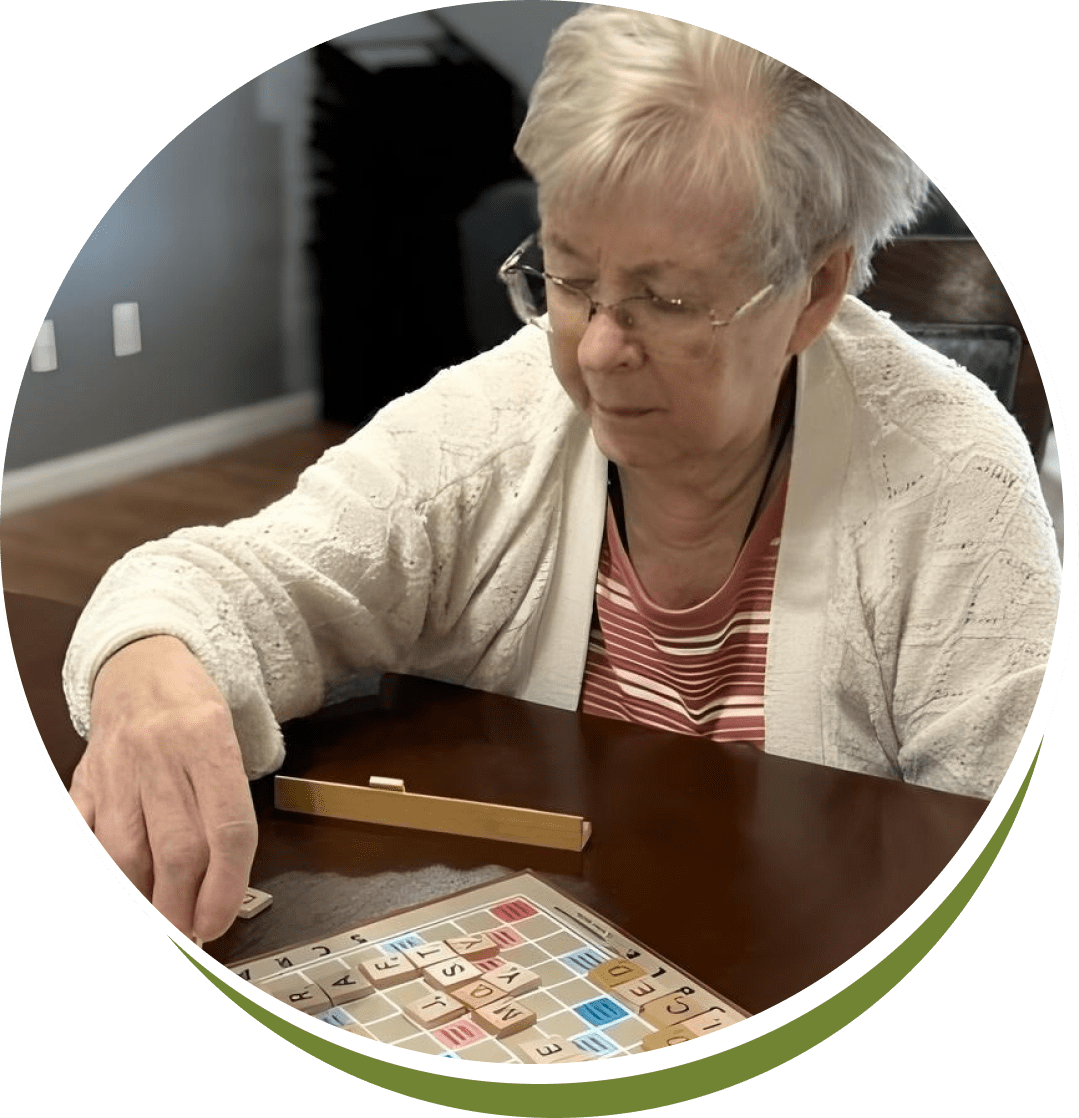
Cognitive
Cognitive programs are designed to stimulate thinking and maintain or improve cognitive health by engaging each individual at their own level of ability, encouraging participation and mental stimulation, rather than just entertaining through facts. Activities like biography classes, trivia games, cultural programs, and processing games are excellent examples of programs that promote reflection, creativity, and discussion.

Active Fine Motor Programs
Active programs engage both large and fine motor muscles and are essential for older adults as they help maintain independence, improve quality of life, and prevent age-related decline. Fine motor skills, which involve the small muscles in the hands and fingers, are important for daily tasks like writing, buttoning clothes, holding utensils, and handling objects. As people age, these skills can weaken, making such tasks more challenging. Engaging in activities that enhance fine motor skills, such as crafting, drawing, or playing games, helps maintain hand-eye coordination, dexterity, and strength, reducing the risk of injuries and dependency. Large motor skills involve the larger muscles used for activities like walking, climbing stairs, and standing up from a seated position. Engaging these muscles through walking programs and adaptive sporting activities such as seated volleyball or Indoor Golf, helps to strengthen the muscles, improve balance, and enhance range of motion, all of which are essential for preventing falls and maintaining the ability to perform everyday tasks such as transferring and dressing.
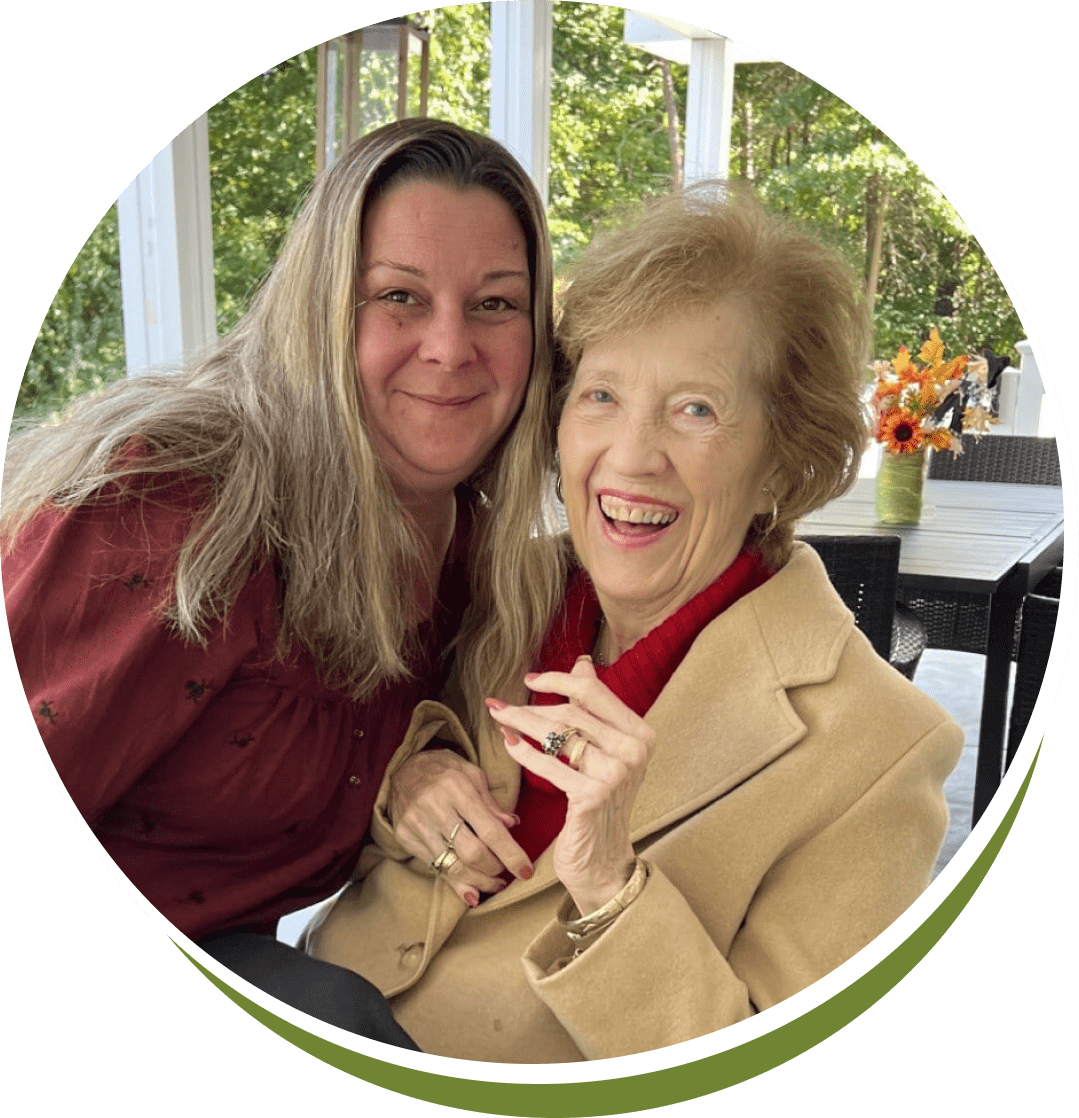
Relational
Relational activities and socialization help prevent feelings of isolation and loneliness, which are linked to various health issues. Additionally, they promote cognitive function by stimulating the brain and memories, reducing the risk of depression, and fostering a sense of belonging and purpose.

Exercise
Regular exercise is crucial for older adults, as it improves strength, flexibility, balance, and cardiovascular health, while preventing chronic conditions like heart disease and diabetes. Exercise can boost mental health, alleviate stress, and combat anxiety and depression, helping seniors maintain mobility and overall well-being. Research supports exercise supports heart health, boosts energy levels, decreases effects of chronic conditions, and improves mental well-being by reducing symptoms of stress, anxiety, and depression. Regular exercise helps a person achieve greater independence, a higher quality of life, and a more active, engaged lifestyle.
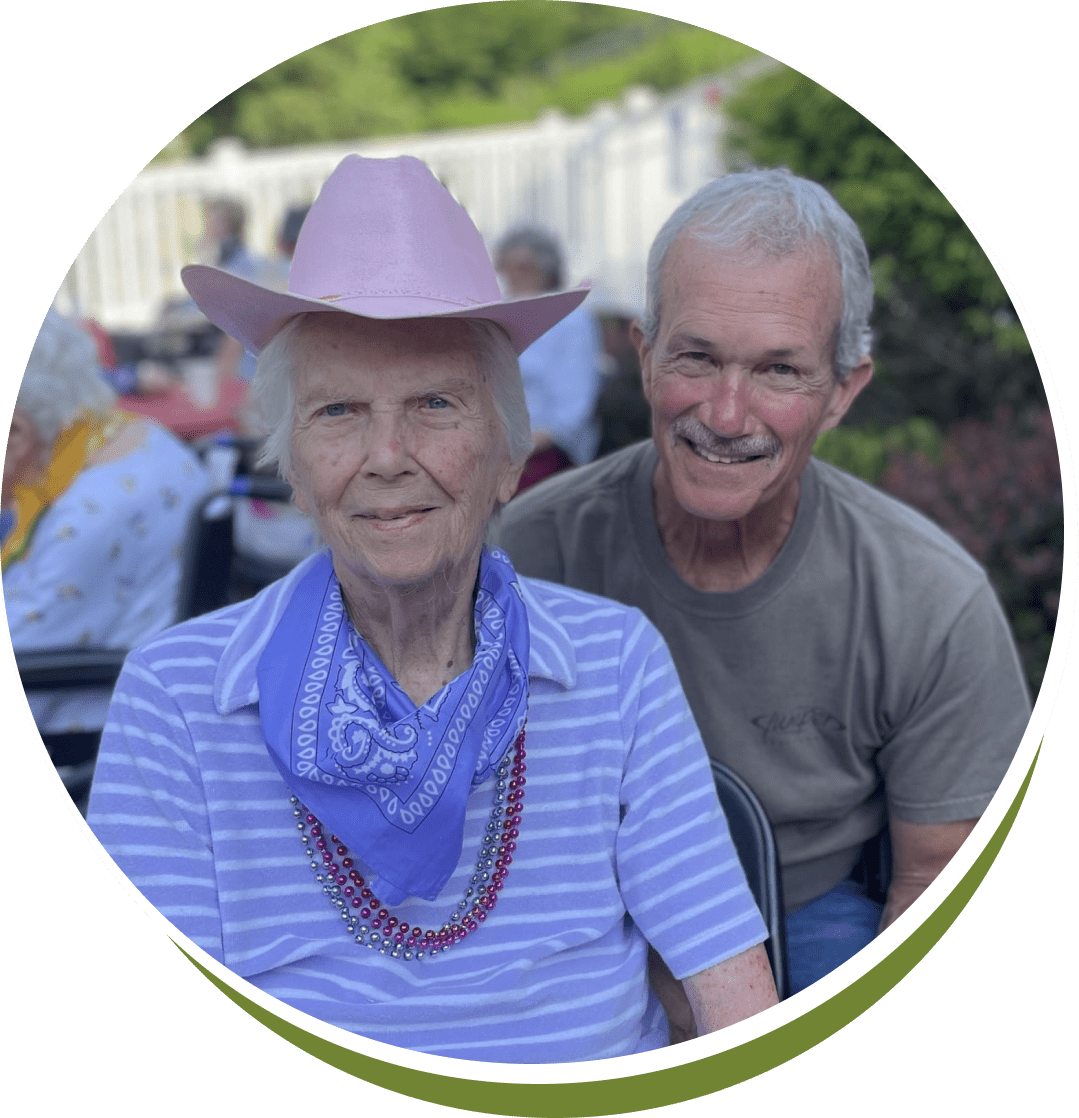
Special Events
Caraway Assisted Living offers a variety of structured events designed to enhance the social and cognitive well-being of our residents. Regular activities such as live performances, family gatherings, themed socials, and guest speaker sessions provide opportunities for engagement, interaction, and enrichment. These events are carefully curated to promote socialization, mental stimulation, and a sense of community, fostering both emotional and intellectual well-being in a supportive environment.
